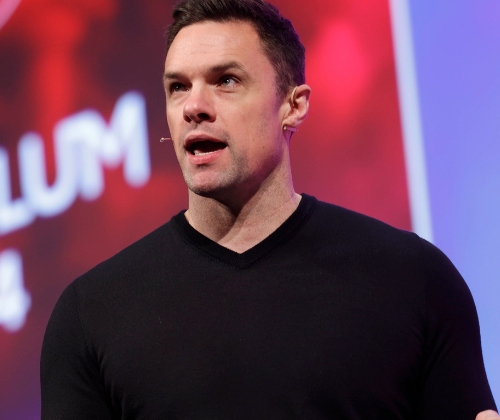
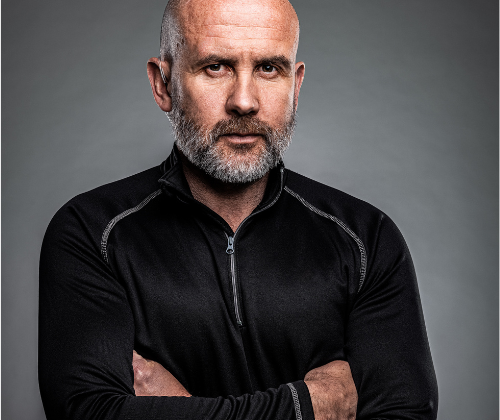
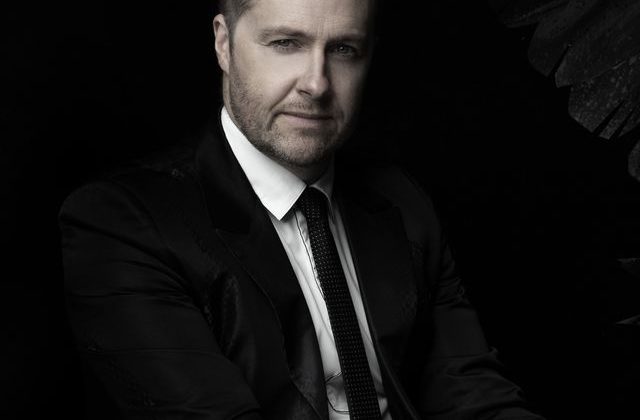
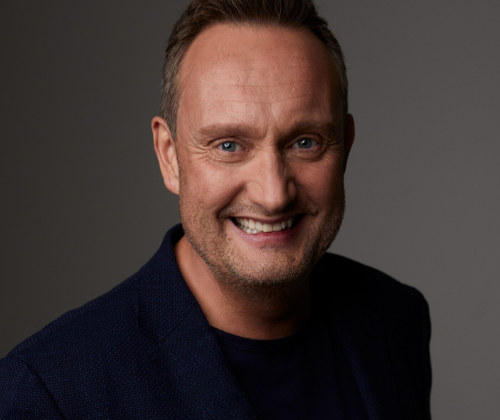
Dr Michael Keane is a Medical Doctor, a Registered Psychologist, and holds a PhD in Behavioural Neuroscience. His work focuses on understanding how brain function shapes behaviour – particularly in situations involving stress, pressure, and performance. He is the Chief Science Officer at Nura Scan.
He has worked across clinical, academic, and applied settings, including founding multiple brain technology laboratories and contributing to research in neurotechnology and EEG.
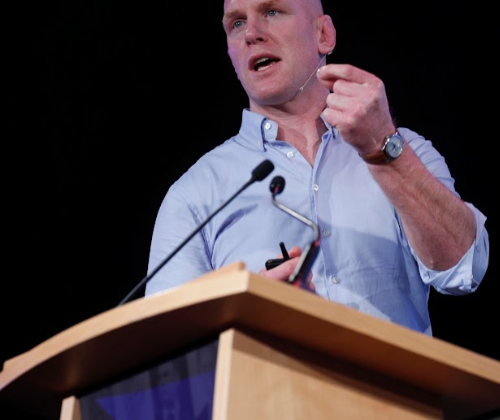
His work involves analysing large-scale brain data and linking patterns of brain activity to real-world behaviour. He has delivered talks internationally across corporate, clinical, and performance settings, with a focus on translating complex neuroscience into clear, practical insight.
Michael works with organisations operating in high-performance and high-pressure environments, including elite sport, healthcare, and corporate leadership. This includes work within the Premier League and NFL, where understanding how the brain responds under pressure is directly linked to performance and decision-making.
His work focuses on translating neuroscience into clear insight about how behaviour and decision-making change under pressure.
At the centre of Michael’s work is a simple premise: The brain reacts quickly, automatically, and often outside of awareness — particularly under pressure. Understanding this changes how behaviour is interpreted — in ourselves and in others — particularly in high-pressure situations. This work is used to help organisations better understand performance, decision-making, and behaviour in environments where pressure is high and outcomes matter.
Performance Under Pressure: Understanding how fast, automatic stress responses shape thinking, behaviour, and decision-making — and how to work with them more effectively in high-pressure environments.
Decision-Making & Team Behaviour: How non-conscious brain processes influence communication, judgement, and behaviour within teams — particularly under stress — and what this means for leadership.
Resilience & Adaptation: Why resilience is not about avoiding stress, but understanding how the brain responds to it — and how individuals and teams can adapt more effectively over time.
Creativity Under Pressure: How stress alters the brain’s ability to think flexibly and creatively — and what conditions are required for innovation to emerge.
Trauma: Understanding how trauma affects the brain, including memory, emotional regulation, relationships and society..
Please note this form is intended for Corporate Speaking and Commercial enquiries only. Due to the volume of emails we receive on a daily basis, we regret that we are unable to respond to specific requests from charities, schools, clubs or individuals.